
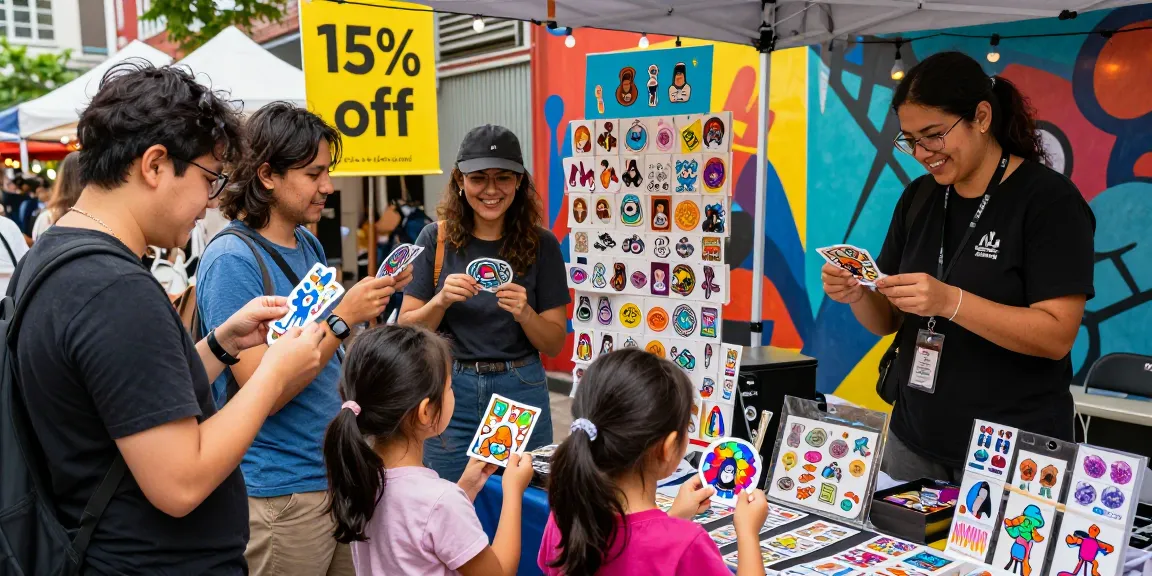
Understanding the Popularity of Custom Stickers
The vibrant world of custom stickers has rapidly transformed into a go-to medium for individuals and businesses alike. They serve not only as aesthetic additions to personal belongings but also play a pivotal role in brand promotion and marketing strategies. With advancements in printing technology and rising consumer interest, custom stickers have taken the market by storm, allowing for endless creativity and personalization.
What Are Custom Stickers?
Custom stickers are personalized adhesive labels that can be created in various shapes, sizes, and finishes. They can feature custom designs, artwork, or logos and are often used for branding, marketing, and decorative purposes. By utilizing high-quality materials and advanced printing techniques, businesses can produce stickers that are durable, waterproof, and suitable for both indoor and outdoor use. The ability to design stickers tailored to specific needs makes them an attractive option for many different audiences.
Why Custom Stickers Are Trending in 2026
As we delve into 2026, the trend of custom stickers is fueled by several factors:
- Increased personalization: As consumers seek unique products that reflect their individuality, custom stickers have become a popular choice for self-expression.
- Brand engagement: Businesses leverage stickers as an effective way to engage customers, offer giveaways, and enhance brand visibility.
- Eco-friendly options: With growing awareness of environmental issues, many companies are opting for sustainable materials and printing practices, thereby attracting eco-conscious consumers.
- Social media influence: The shareability of custom stickers on platforms like Instagram and TikTok has contributed to their rising popularity.
Market Demand and Consumer Preferences
The demand for custom stickers has surged, with various market studies highlighting an increasing consumer preference for personalized products. In particular, millennials and Generation Z are driving this trend, seeking unique and eye-catching ways to express their identities. Additionally, theming and customization options have expanded, allowing consumers to create stickers for a myriad of occasions, from parties to political campaigns.
Types of Custom Stickers and Their Uses
Exploring Die Cut and Holographic Stickers
Among the myriad options available, die cut and holographic stickers stand out. Die cut stickers are custom-shaped stickers that are cut to the exact contour of the design, offering a sleek and professional appearance. Holographic stickers, on the other hand, feature a shimmering finish that changes colors when viewed from different angles, capturing attention effortlessly. Both types are ideal for businesses looking to make a memorable impression or individuals wanting a unique flair for personal projects.
Practical Applications for Events and Promotions
Custom stickers serve numerous practical applications, particularly in events and promotional campaigns. They can be used for:
- Branding: Stickers featuring logos or slogans can enhance brand recognition at trade shows and promotional events.
- Giveaways: Free sticker giveaways can increase customer interest and social media shares.
- Event decor: Custom stickers can be used to decorate venues, personalize merchandise, or create thematic displays.
- Merchandise: Businesses often sell branded stickers as part of their product offerings to foster brand loyalty.
Eco-Friendly Options in Custom Sticker Production
As sustainability becomes an essential aspect of consumer decision-making, many sticker companies are embracing eco-friendly practices. Options include biodegradable materials, non-toxic inks, and sustainable packaging. By choosing these alternatives, consumers can enjoy their custom stickers while also minimizing their environmental impact.
Designing Your Own Custom Stickers
Choosing the Right Materials and Finishes
Selecting the appropriate materials and finishes is crucial in designing effective custom stickers. Common materials include vinyl, paper, and eco-friendly options. Each material offers distinct advantages, such as durability and cost-effectiveness. Finish types like glossy, matte, or transparent can also significantly impact the visual appeal of the stickers. Understanding these choices helps consumers create stickers that meet their specific needs.
Best Practices for Graphic Design and Aesthetics
When designing custom stickers, it is vital to adhere to best practices in graphic design to ensure optimal results:
- Simplicity: Effective designs often incorporate simple graphics and text for clarity.
- Contrast: Utilizing contrasting colors helps the design stand out and enhances readability.
- Brand consistency: Ensure that the sticker design aligns with the overall branding of the business for cohesive marketing.
- High-resolution graphics: Always use high-quality images to prevent pixelation in the final product.
Tools and Resources for DIY Sticker Design
For those interested in creating their own custom stickers, numerous tools and resources are available. Graphic design software like Adobe Illustrator and Canva provide user-friendly platforms for designing stickers. Additionally, online tutorials and workshops can assist beginners in learning design techniques and tips for creating visually appealing stickers.
Using Custom Stickers for Brand Promotion
Effective Sticker Marketing Strategies for 2026
As the landscape of marketing continues to evolve, businesses must adopt innovative strategies for sticker promotion:
- Incorporate storytelling: Utilize stickers as a medium to tell the brand’s story, creating a deeper connection with consumers.
- Leverage social media: Encourage customers to share photos of their stickers online, creating organic buzz and visibility.
- Collaborate with artists: Partnering with designers can lead to unique sticker designs that resonate with target audiences.
- Use QR codes: Integrating QR codes into sticker designs can direct consumers to websites or special offers.
Case Studies of Successful Sticker Campaigns
Many brands have effectively used custom stickers in their marketing campaigns. For instance, popular beverage companies often deploy sticker packs as part of their product launches, resulting in increased brand awareness and engagement. Another example includes fashion brands creating limited edition stickers to accompany purchases, enhancing customer experience while subtly promoting the brand.
Measuring the Impact of Custom Stickers on Brand Awareness
To ascertain the effectiveness of sticker marketing strategies, businesses should consider metrics such as customer engagement rates, social media mentions, and overall sales influence. Surveys can also provide insights into consumer perceptions of sticker campaigns. By analyzing this data, companies can refine their strategies and improve their return on investment.
Future Trends in Custom Stickers
Innovations to Watch in Custom Sticker Technology
The custom sticker industry is poised for exciting advancements. Innovations such as augmented reality stickers, which can display dynamic content via smartphone apps, are set to captivate audiences. Additionally, improvements in eco-friendly printing technologies will further broaden the appeal of sustainable custom stickers, catering to environmentally conscious consumers.
Emerging Trends for Consumer Engagement
As consumer preferences shift, brands must adapt to new engagement trends. Personalization is expected to become even more prominent, with advanced tech enabling hyper-targeted sticker campaigns. Furthermore, interactive stickers with QR codes or NFC technology will enhance user experience, allowing consumers to engage with brands in novel ways.
How Custom Stickers Will Evolve Beyond 2026
Looking ahead, the custom sticker market will continue to thrive, driven by ongoing technological advancements and shifts in consumer behavior. By evolving to meet changing demands, brands can leverage custom stickers as an essential tool for marketing, decoration, and personal expression.
What is the best material for custom stickers?
The best material for custom stickers depends on their intended use. For outdoor applications, durable vinyl materials are ideal due to their weather-resistant properties. For indoor use, paper stickers can be sufficient, especially when cost is a concern. Ultimately, businesses should consider how long they intend for the stickers to last and the environment in which they will be used.
How can I make my custom stickers affordable?
To reduce costs for custom stickers, consider ordering in bulk, choosing simpler designs, or opting for less expensive materials. Additionally, take advantage of promotional offers from sticker providers, as many companies frequently run discounts or provide loyalty points.
Where can I find unique designs for custom stickers?
Unique designs can be sourced from freelance graphic designers on platforms like Fiverr or Upwork, or even through crowd-sourced design contests on sites such as 99designs. Additionally, online marketplaces often feature custom stickers from independent artists, allowing for one-of-a-kind purchases.
Can custom stickers be used on outdoor products?
Yes, many custom stickers are suitable for outdoor use, particularly those made from vinyl or other durable materials designed to withstand the elements. It’s advisable to ensure the adhesive is strong enough for outdoor applications and that any printing used is UV resistant to prevent fading.
What are some creative ideas for using custom stickers?
Custom stickers can be creatively used in numerous ways, including:
- Personalizing laptops and phones: Stickers can showcase personal interests and create a unique aesthetic.
- Decorating home spaces: They can be used to enhance wall art or furniture, adding a fun twist to home decor.
- Creating DIY gifts: Handmade items can feel more special with custom stickers that reflect the recipient’s personality.
- Engaging at events: Use stickers as interactive pieces where participants can create their designs during gatherings or conferences.